What Professional Roof Installation Means for Your Home
@getprofessionalroofcraft
November 1, 2026 · 7 min read
The Difference Between a Quick Fix and a Long-Term Investment
When I bought my first house in North Texas, I figured a roof was a roof. I was wrong. After watching a neighbor go through three repairs in two years because his "budget" crew cut corners, I started paying attention to what separates a job that lasts from one that leaks the first hard rain. That experience taught me that professional roof installation is not just about slapping on shingles. It is about preparation, material selection, and a level of craftsmanship that keeps your home dry for decades.
A lot of homeowners don't realize how much goes into a proper roof system. It is not just what you see from the street. It is the underlayment, the flashing, the ventilation, and the way each component fits together. A professional roof installation addresses all of those layers. That is why I always tell people to look past the price tag and focus on the process.
Why Experience Matters Under the Sun
North Texas weather is brutal. We get scorching summers, sudden hailstorms, and wind that can peel back shingles if they are not fastened correctly. A crew that knows the local climate will choose materials that expand and contract with the temperature swings. They will also know how to install them so they stay put. That kind of knowledge does not come from a YouTube video. It comes from years of working on roofs in the same region.
I have seen what happens when a well-meaning homeowner tries to save money by hiring a handyman with no roofing specialty. The handyman might nail down the shingles, but he might miss the step flashing around a chimney or forget to seal a valley properly. Those small gaps invite water. Within months, you have rot, mold, and a much bigger bill. Professional roof installation catches those details because the crew has done them hundreds of times. They know where water runs and where wind lifts. They have the tools and the training to address it.
Materials and Methods That Hold Up
One of the first things a good installer does is inspect the decking underneath the old roof. If the plywood is rotted or the felt is torn, they fix it before laying anything new. That step alone can save you from a collapse later. They also choose underlayment that matches the slope of your roof. A low-slope roof needs a different product than a steep one. Using the wrong underlayment can cause premature wear, even if the shingles look perfect.
Then there is the matter of nails. It sounds simple, but the length and type of fastener matter a lot. Too short, and the shingle can blow off. Too long, and you risk damaging the deck. A professional crew uses the correct fasteners for your specific roof system. They also follow the manufacturer's nailing pattern, not a shortcut that saves them time. That attention to fastening is one of the easiest ways to tell a professional roof installation from a hack job.
What to Look for When Hiring a Crew
I have been through a few roof projects myself, and I have learned a few things about what separates good crews from bad ones. Here are some practical things to watch for when you are interviewing contractors:
- Written estimates with detail. A vague quote that says "replace roof - $8,000" tells you nothing. A good estimate lists materials, underlayment, flashing, venting, and the labor breakdown. If they cannot write it down, they probably cannot execute it either.
- Proof of insurance and licenses. Roofing is dangerous work. You want a crew that carries workers' compensation and liability insurance. If someone gets hurt on your property, you do not want that bill.
- References from recent jobs. Ask for addresses you can drive by. Look at the quality of the seams around vents and chimneys. That is where shortcuts show up first.
- A clear timeline. Good crews tell you how long the job will take and when they will be on site. They do not disappear for three days because the weather is nice and they took another job.
- Warranty on workmanship. Material warranties come from the manufacturer. A workmanship warranty covers the installation itself. If a crew hesitates to offer one, that is a red flag.
The Hidden Cost of Cutting Corners
I remember talking to a friend who thought he saved $3,000 by using a low-bid crew. Two years later, he had a leak that ruined a section of drywall and caused a small mold problem. The repair cost him $6,000, not counting the inconvenience. He ended up paying more than if he had done a professional roof installation from the start. That story is not unusual. When you cheap out on a roof, you pay for it later in repairs, higher energy bills, and lower resale value.
A roof is one of the few parts of your house that takes the full force of the weather every single day. It gets baked by the sun, soaked by rain, and battered by wind. It needs to be built to handle that. The materials alone can run several thousand dollars. The labor is the part that makes sure those materials work. If you pay for cheap labor, you get a roof that fails early. That is a fact, not a scare tactic.
Signs of a Well-Installed Roof
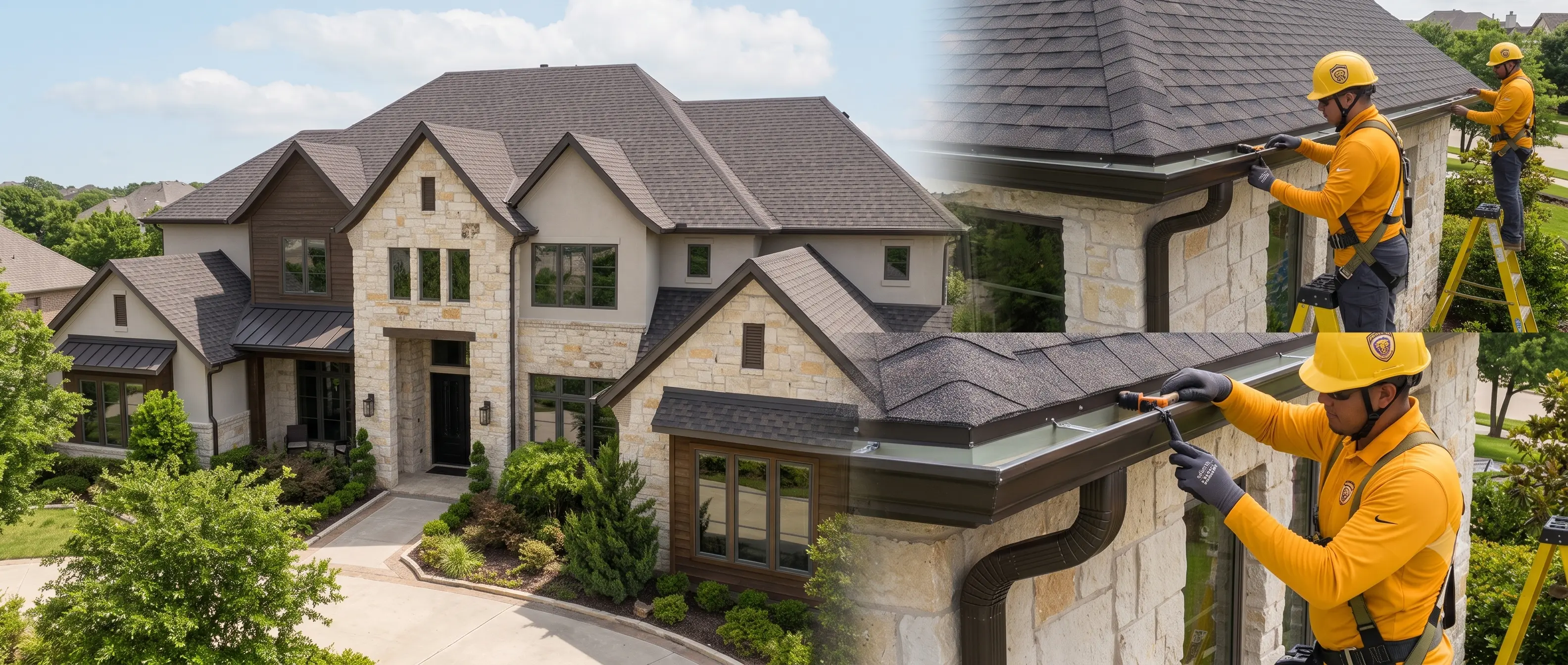
If you are looking at a newly installed roof, there are a few things you can check to see if the work was done right. Start with the ridge vent. It should be even and properly fastened. Then look at the flashing around the chimney. It should be stepped and sealed, not just caulked. Check the valleys where two roof planes meet. They should be woven or closed with metal, not just overlapped shingles. Also look at the gutters. They should be clean and free of debris from the job. A messy job site often means messy work.
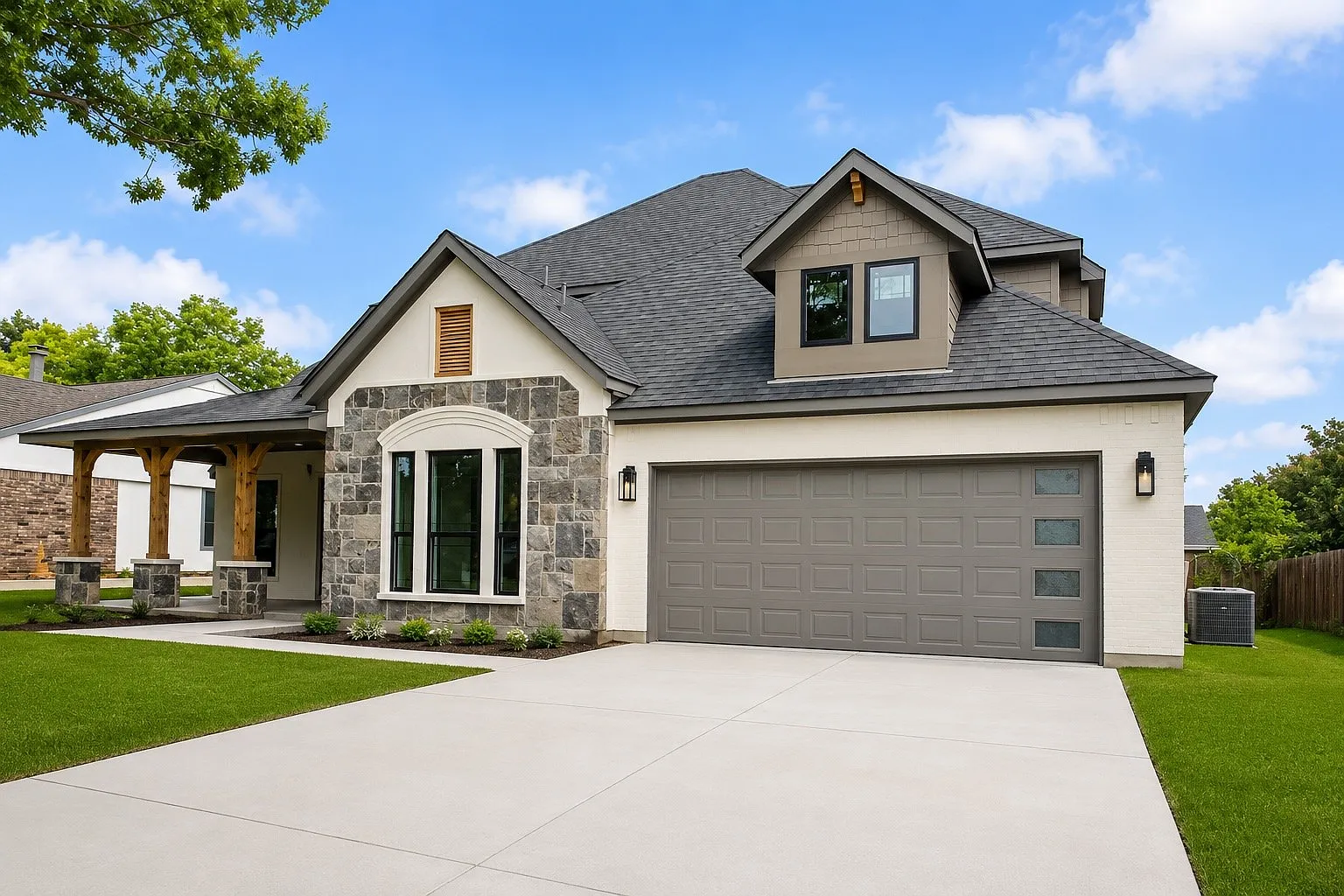
Another sign is the alignment of the shingles. They should be straight and evenly spaced. If you see wavy lines or gaps, the crew was in a hurry. A professional roof installation takes time. The crew measures and snaps chalk lines to keep everything straight. That level of care shows in the finished product.
Connect with us on LinkedIn.
Beyond the Installation: Maintenance Matters Too
Even the best roof needs some attention over time. I recommend having an inspection every year, especially after a big storm. Look for loose shingles, cracked sealant, or debris in the valleys. Clean your gutters regularly so water flows away from the house. Trim branches that hang over the roof so they do not scrape the surface or drop leaves that hold moisture. These simple steps can add years to the life of your roof.
If you catch a small problem early, it almost never becomes a big one. A missing shingle is easy to replace. A leak that goes unnoticed for months can rot the decking and ruin insulation. That is why I always tell homeowners to get on a regular maintenance schedule. It is cheaper than a full replacement, and it gives you peace of mind.
The Bigger Picture
When you invest in a roof, you are investing in the safety and comfort of your home. A good roof keeps your family dry, your belongings safe, and your energy bills reasonable. It also adds curb appeal if you ever decide to sell. Buyers notice a roof that looks solid and well-maintained. They also notice one that looks patched or worn. That difference can affect the sale price by thousands of dollars.
I have seen too many homeowners try to save a few bucks upfront only to pay much more later. A professional roof installation is not an expense. It is a long-term investment in your largest asset. The key is finding a crew that treats your home like their own.
RoofDog Roofing, located at 308 FM1830 Ste 12B, Argyle, TX 76226, USA, is one example of a North Texas company that focuses on quality work and gives back to the community by donating 10% of profits to local dog rescues. You can reach them at +1 940-828-7663 for roof installations, repairs, and inspections.